The Carrier’s Reputation Walks in With the Expert
A high-end restaurant can have an incredible chef, perfect ingredients and a flawless kitchen, but if the bartender is cold, disorganized or dismissive, that is what the guest talks about on the way home. The meal did not change. The experience did.
Complex claims work the same way.
You can have strong coverage analysis, solid estimating and the right technical resources lined up, but when the forensic expert or service partner shows up onsite, that interaction becomes the claim experience for everyone involved. Whether carriers like it or not, their reputation arrives with that expert.
This is not unique to insurance. Customer experience research has long shown that customers judge organizations based on the overall interaction, not individual handoffs. As McKinsey has noted, customer journeys, made up of multiple touchpoints, ultimately define how customers perceive an organization.
In claims, that matters because experts are rarely assigned to easy files. They are brought in when something is already complicated, disputed or emotionally charged.
In property claims, that may involve structural concerns, repeated water intrusion or a dispute with a public adjuster. In liability claims, it may involve a premises loss, transportation incident or a case where recorded evidence, procedures and witness accounts will shape the outcome.
In both settings, the expert’s role is technical. But their impact is also human. They are often the person onsite who sets the tone, establishes trust and either reduces friction or unintentionally creates it.
One Claim, One Experience
From the perspective of the insured, claimant, property manager, business owner, witness or site contact, everyone involved is simply part of the claim. They do not separate the carrier from the expert, the adjuster from the consultant or the employee from the vendor.
They remember what happened and how it felt.
Most stakeholders are not evaluating technical methodology in real time. They are noticing the moments that are easiest to understand. Was the visit organized? Did the process make sense? Did the person onsite seem professional and fair? Was there clarity on what happens next?
If those answers are positive, cooperation usually follows. If not, the file often gets heavier. The adjuster gets more calls. Supervisors get pulled in. Counsel may enter earlier. Even when the ultimate conclusion is correct, the process can still feel broken to the people living through it.
Research on outsourced customer touchpoints supports this dynamic. When companies rely on third-party providers, customers still tend to associate those interactions with the primary brand, and negative experiences can affect brand perception.
That is why expert selection is not just a technical decision. It is also a service decision, a brand decision and a practical risk-management decision. Carriers are not simply buying analysis. They are choosing who will show up on their behalf during one of the most sensitive moments of the claim.
How Do Adjusters Select the Right Expert?
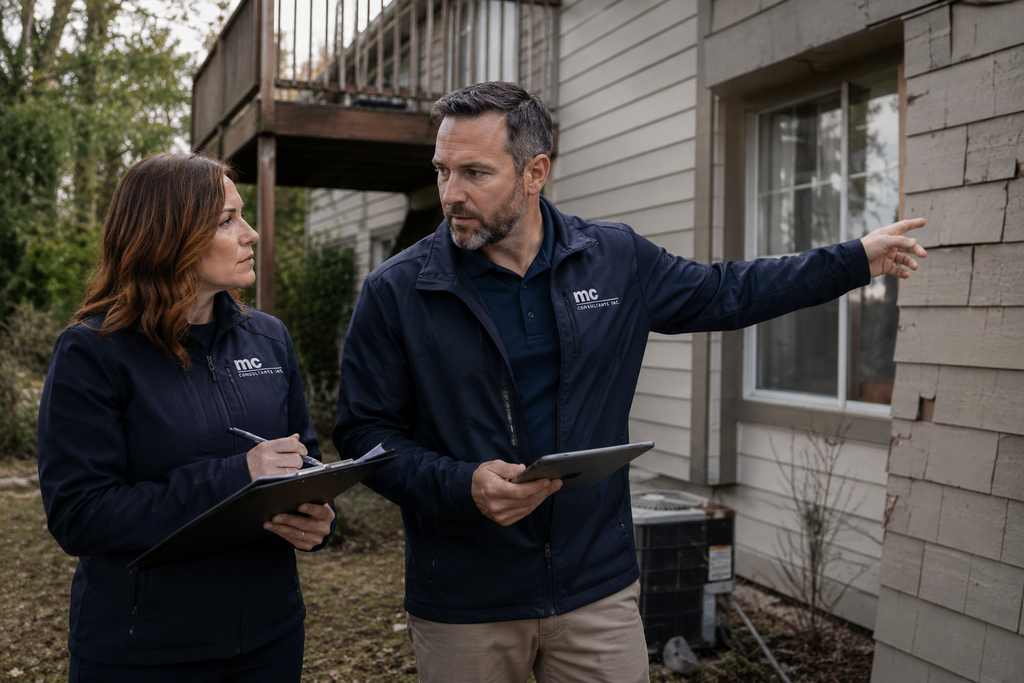
The goal is not simply to find someone qualified, but to choose someone whose expertise, judgment and approach fit the claim.
A good selection process usually starts with practical questions:
- Is This Expert the Right Fit for the Specific Loss?
A strong expert on paper is not automatically the right expert for the assignment. The type of loss, the complexity of the issues, the personalities involved and the likelihood of litigation should all influence the choice. A routine property inspection, a high-conflict liability matter and a technically dense causation dispute may each call for a different kind of expert.
- How Does the Expert Show Up in the Field?
Credentials matter, but so does presence. The expert may be the only in-person representative the insured or claimant encounters during a critical point in the claim. Professionalism, organization, respect for the site and the ability to explain the purpose of the visit without crossing into coverage issues all matter.
- What Is the Expert’s Service Reputation?
Before assigning someone, ask the people who know. Managers, examiners, fellow adjusters, defense counsel and others often know which experts are reliable, responsive and easy to work with. Recommendations based on actual file experience usually tell you more than a marketing pitch.
- Can the Expert Communicate Clearly and Defensibly?
The best experts do not just reach sound conclusions. They help move the file forward. That means confirming scope early, setting expectations, communicating scheduling and timing clearly and producing reports that are understandable as well as defensible.
- Does the Expert Fit the Likely Trajectory of the Claim?
Some experts are excellent for straightforward matters but less effective in litigation-prone or emotionally charged assignments. Others are particularly strong when testimony, scrutiny or claimant sensitivity is likely. Selecting well means thinking not just about the inspection, but about where the file may be headed.
What Good Selection Looks Like in Practice
Most adjusters eventually develop a short list of people they trust. That is often smart. But the strongest approach is not relying on one familiar name for every file. It is building a short bench.
That may mean one trusted resource for routine property matters, another for complex technical losses, another for files likely to end up in litigation and another for specialty issues such as biomechanics, human factors, security or dram shop. The point is not simply to find a qualified expert. It is to match the expert to the moment.
That matching process can prevent many of the problems that later show up as warning signs.
For example, an expert may be technically excellent but too rigid or blunt for a highly sensitive homeowner loss. Another may communicate well onsite but not have the depth needed for a matter likely to face aggressive legal scrutiny. Another may be smart and credible but not ideally suited to the pace and organizational demands of a fast-moving claim environment.
Those are not minor operational details. They affect trust, cooperation, cycle time and cost.
Why the Right Forensic Expert Can Change the Claim Experience
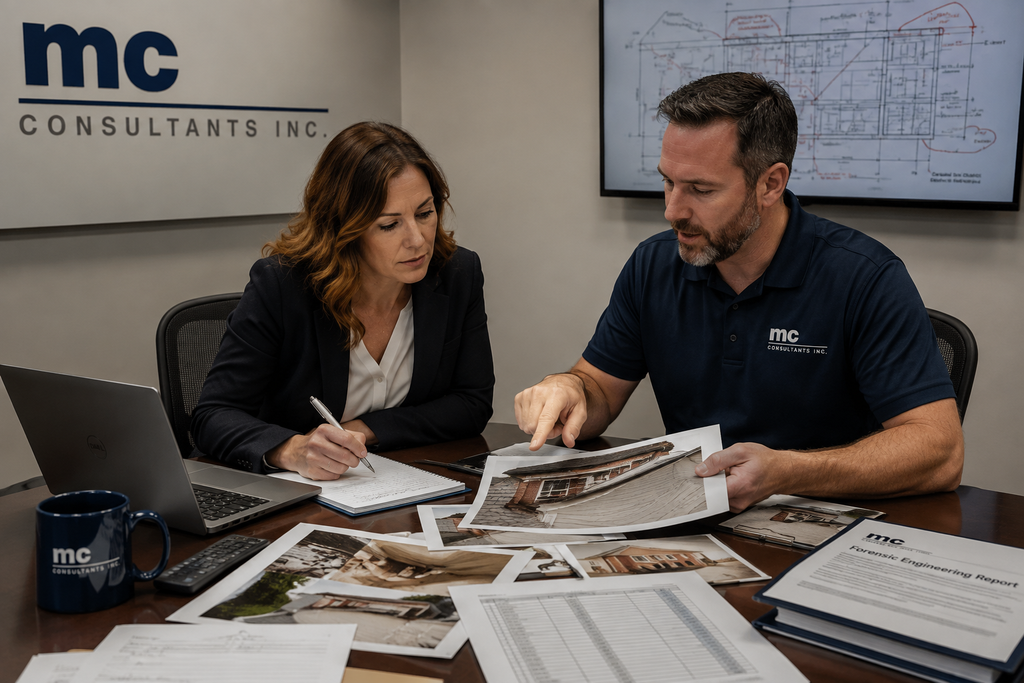
Back in my adjusting days, I handled a water damage claim where the site visit itself became part of the problem. The expert arrived, asked pointed questions, took photographs and left with very little explanation. Nothing improper was said, but the insured came away convinced the outcome had already been decided. What should have been a routine inspection turned into repeated follow-up calls, mistrust and escalation all the way to the C-suite.
The technical work may have been sound. But the process changed the tone of the file.
That experience reinforced something many claims professionals learn the hard way: most escalations do not begin with the final report. They begin much earlier, with confusion during the process, silence, missed expectations or a site visit that feels adversarial rather than professional.
That is why selection matters so much. The right expert often prevents friction before it starts.
Objectivity Does Not Require Being Cold
An expert can remain independent and still be professional, clear and respectful. They can avoid coverage discussions while still explaining their role. They can gather facts without creating an adversarial tone. In high-emotion claims, that balance often determines whether a file progresses efficiently or becomes more difficult than necessary.
This also affects the adjuster directly. When an expert handles communication poorly, the adjuster absorbs the consequences. They get the follow-up calls, the frustration and the task of repairing trust they did not personally damage.
That added friction increases touch time, slows cycle time and makes later conclusions harder to deliver, even when those conclusions are well supported.
Accenture’s Global Insurance Consumer Study reinforces this point by identifying claims as a key moment of truth for insurers and highlighting how service interactions during a claim influence trust and loyalty.
Early Warning Signs of the Wrong Expert Fit
While selection should come first, there are still early signals that help confirm whether the right choice was made. These include delayed responses, vague scope confirmation, reactive communication, poor scheduling discipline and a lack of structure around next steps.
Those signs may not be too late to matter, but they should not be the primary system. They are best viewed as confirmation, not the first screen.
The better practice is to select with intention from the start.
How Adjusters Can Choose the Right Expert
In a high-end restaurant, a great kitchen cannot fully overcome a poor service touchpoint. The guest judges the experience as a whole. Claims are no different.
The insured, claimant and others involved do not separate the expert from the carrier. They judge the claim by the clearest moments they experience, and the site visit is often one of them. It is where trust is built or damaged.
That is why choosing an expert is not just about credentials or cost. For adjusters, it is a practical decision about fit, judgment, communication and how the file is likely to unfold. The right expert can clarify issues, build trust and keep the claim moving. The wrong one can create friction before the report is ever written.
When adjusters select experts, they are not simply assigning a consultant. They are choosing who will represent the claim process in person.
Choose accordingly.
Work With MC Consultants’ Forensic Experts
Choosing the right expert can make a meaningful difference in how a complex claim is investigated, communicated and resolved. MC Consultants provides forensic consulting services nationwide, with experienced professionals supporting insurance claims, construction-related matters, property damage investigations and litigation-related needs.
Contact MC Consultants to discuss your claim and find the right expert for your assignment.
Chris Casaleggio is Regional Director – Northeast for MC Consultants, Inc. He can be reached at chris.casaleggio@mcconsultants.com.